What is Seckel syndrome?
Seckel syndrome is a rare inherited syndrome, named for the pediatrician, Dr. Seckel, who published the first clinical cases of the syndrome in 1960.
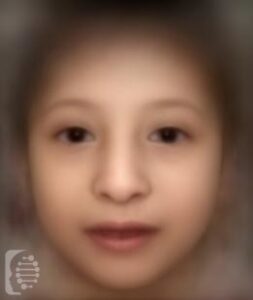
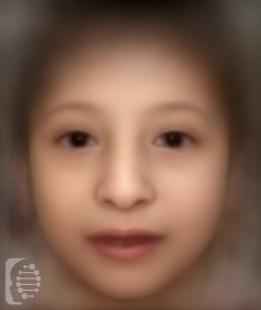
The main characteristics of the syndrome include intrauterine growth retardation (before birth), dwarfism, intellectual disability, microcephaly (a very small head), and a ‘bird-like’ facial appearance.
Syndrome Synonyms:
Bird-headed dwarfism; Nanocephalic dwarfism; Seckel-Type Dwarfism
What gene change causes Seckel syndrome?
The syndrome is caused due to alterations in the following genes TRAIP, CEP63, ATR, NSMCE2, DNA2, CENPJ, NIN, CEP152, and RBBP8. It is inherited in an autosomal recessive pattern.
Autosomal recessive inheritance means an affected individual receives one copy of a mutated gene from each of their parents, giving them two copies of a mutated gene. Parents, who carry only one copy of the gene mutation will not generally show any symptoms but have a 25% chance of passing the copies of the gene mutations onto each of their children.
What are the main symptoms of Seckel syndrome?
- Symptoms of the syndrome may appear prenatally, with restricted growth of the fetus in the uterus leading to a low birth weight. This growth delay continues into childhood and results in dwarfism, and a very small stature.
- Other physical features of the syndrome include a very small head, a receding forehead, large ears, low-set ears, a protruding nose, and a small chin.
- The bones in the arms and legs may not develop properly, and elbow and hip dislocations are common.
- Developmental delay and severe mental disability are common with the syndrome. 50% of individuals with the syndrome will have very severe mental disabilities including a very low IQ. Individuals may also have a hyperactive personality.
How is it diagnosed?
To find out if someone has a diagnosis of Seckel syndrome, it is important to have a consultation and evaluation with a clinical genetic specialist. Specialists may also suggest specific genetic testing or other types of tests to help reach a diagnosis. FDNA’s AI technology can help speed up the diagnostic process by analyzing facial features and other health information.